
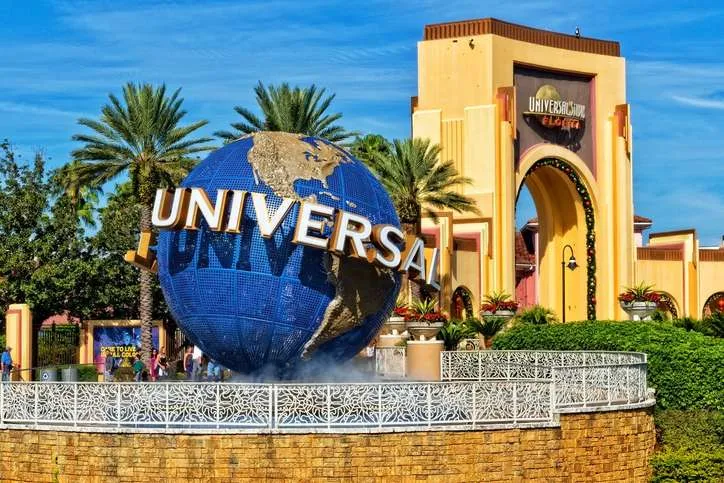
Orlando, Florida, stands as a world-renowned tourist destination, drawing millions of visitors every year. Home to major attractions like Walt Disney World, Universal Studios, and more, the city’s tourism industry profoundly influences the local economy, especially the rental housing market. This article explores the ways in which tourism shapes Orlando's rental market, from short-term to long-term rentals. Property owners must navigate this dynamic landscape and understand the unique factors at play.
Section 1: Orlando’s Tourism Landscape
- Key facts about tourism in Orlando:
- Over 75 million visitors annually (pre-COVID numbers).
- Major attractions like theme parks, conventions, and shopping malls.
- Year-round tourism: Orlando is unique in that its tourism season never truly ends, with peak times around holidays, summer vacations, and spring break.
The Rise of Short-Term Rentals
- Demand for short-term vacation rentals: Due to high tourist volumes, many property owners pursue short-term rental opportunities like AirBnB and Vrbo.
- Lucrative opportunities: Higher nightly rates during peak seasons can yield significant returns for property owners.
- Challenges: Managing short-term rentals requires frequent turnover, maintenance, and stricter adherence to Orlando’s rental regulations.
Impact on Long-Term Rental Market
- Increased demand in high-tourism areas: Neighborhoods near theme parks, such as Lake Buena Vista and Kissimmee, are prime locations for both tourists and long-term renters.
- Higher rental prices: Due to the influx of short-term rentals, long-term rental prices in popular tourist areas have risen. This can benefit property owners but poses affordability challenges for local residents.
- Balancing short-term and long-term rentals: Many property managers and landlords are faced with the decision of choosing between consistent income from long-term tenants or higher but more volatile earnings from short-term tourism rentals.
How Tourism Influences Tenant Demographics
- Renters seeking proximity to tourist areas: Many long-term renters in Orlando work in the tourism and hospitality industry, meaning there’s a consistent demand for rentals close to major attractions.
- Temporary workers and seasonal employees: The tourism industry also attracts seasonal workers, creating opportunities for mid-term rental solutions (3-6 months leases) to accommodate these workers.
Tourism Trends and Rental Market Predictions
- Post-pandemic trends: Since COVID-19, there’s been a rebound in both tourism and demand for short-term rentals. However, some long-term rental opportunities have arisen as homeowners turned vacation properties into long-term leases due to travel restrictions. This shift underscores the impact of tourism on the Orlando rental market, especially as it recovers from global travel disruptions.
- Sustainable tourism and its effects: As Orlando focuses more on sustainability, property managers and landlords may see trends like eco-friendly rentals or tourism developments that promote long-term community growth.
Tips for Property Owners in Orlando’s Tourism-Driven Market
- Diversify rental strategies: Explore a hybrid approach, managing both short-term vacation rentals and long-term leases to balance income streams.
- Stay compliant: Ensure that your rental properties meet Orlando’s zoning laws and regulations for short-term rentals.
- Prepare your property for long-term tenants: Before transitioning to long-term rentals, it’s crucial to ensure your property is rent-ready. Check out our Rent-Ready Checklist for Owners to make sure your property is ready to attract high-quality tenants.
- Invest in tourist-centric properties: If considering buying new rental properties, focus on neighborhoods with strong tourist appeal for high returns.
Conclusion:
Tourism plays a vital role in shaping Orlando’s rental market. Whether you’re a property owner considering short-term vacation rentals or long-term tenancies, understanding the influence of tourism on the market is crucial to maximizing returns and staying competitive. By adapting to the unique challenges and opportunities that come with managing rental properties in a high-tourism area, Orlando property managers can make informed decisions that benefit their portfolios and tenants alike.